How do magstripe and RFID hotel keycards differ?
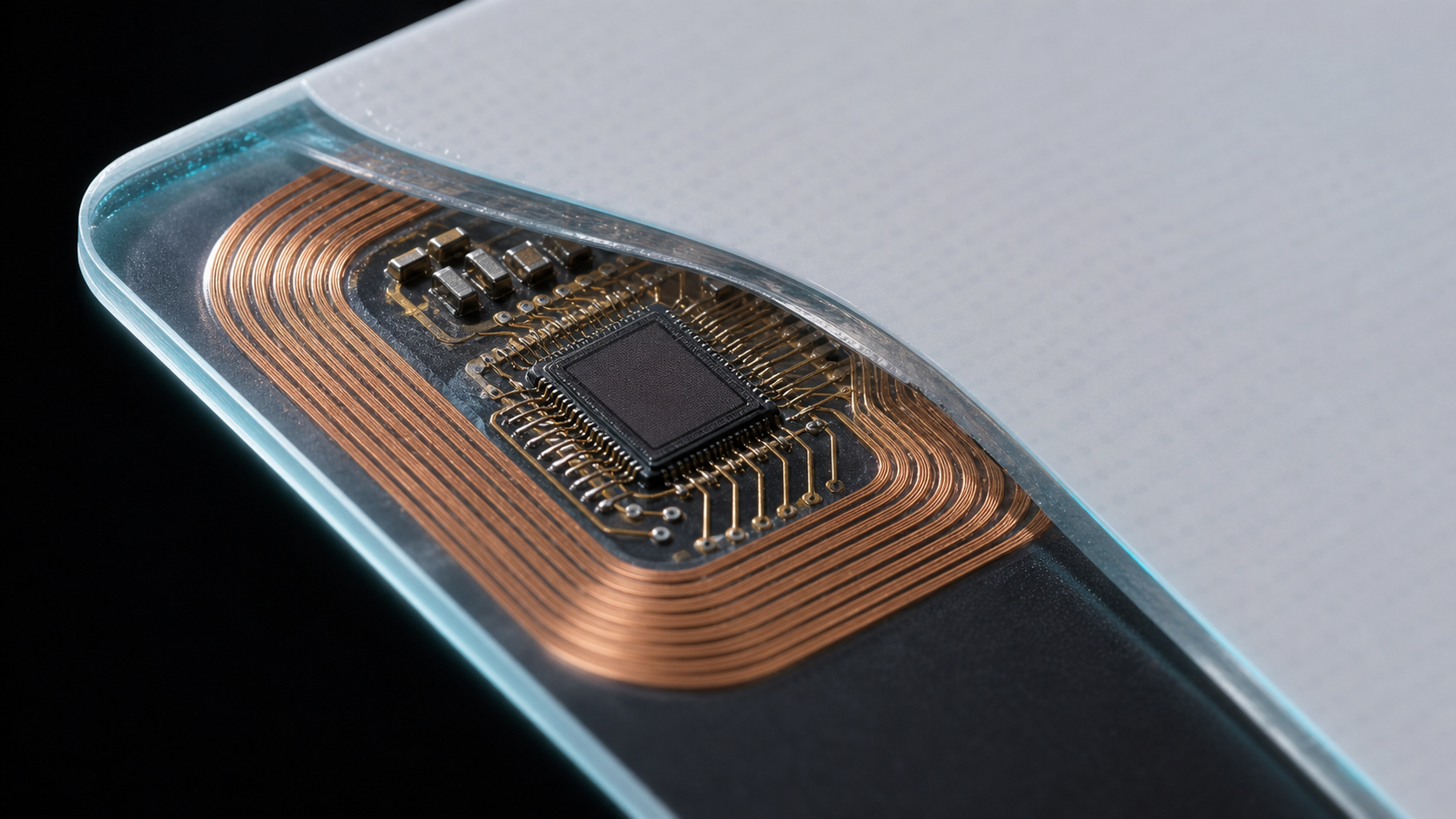
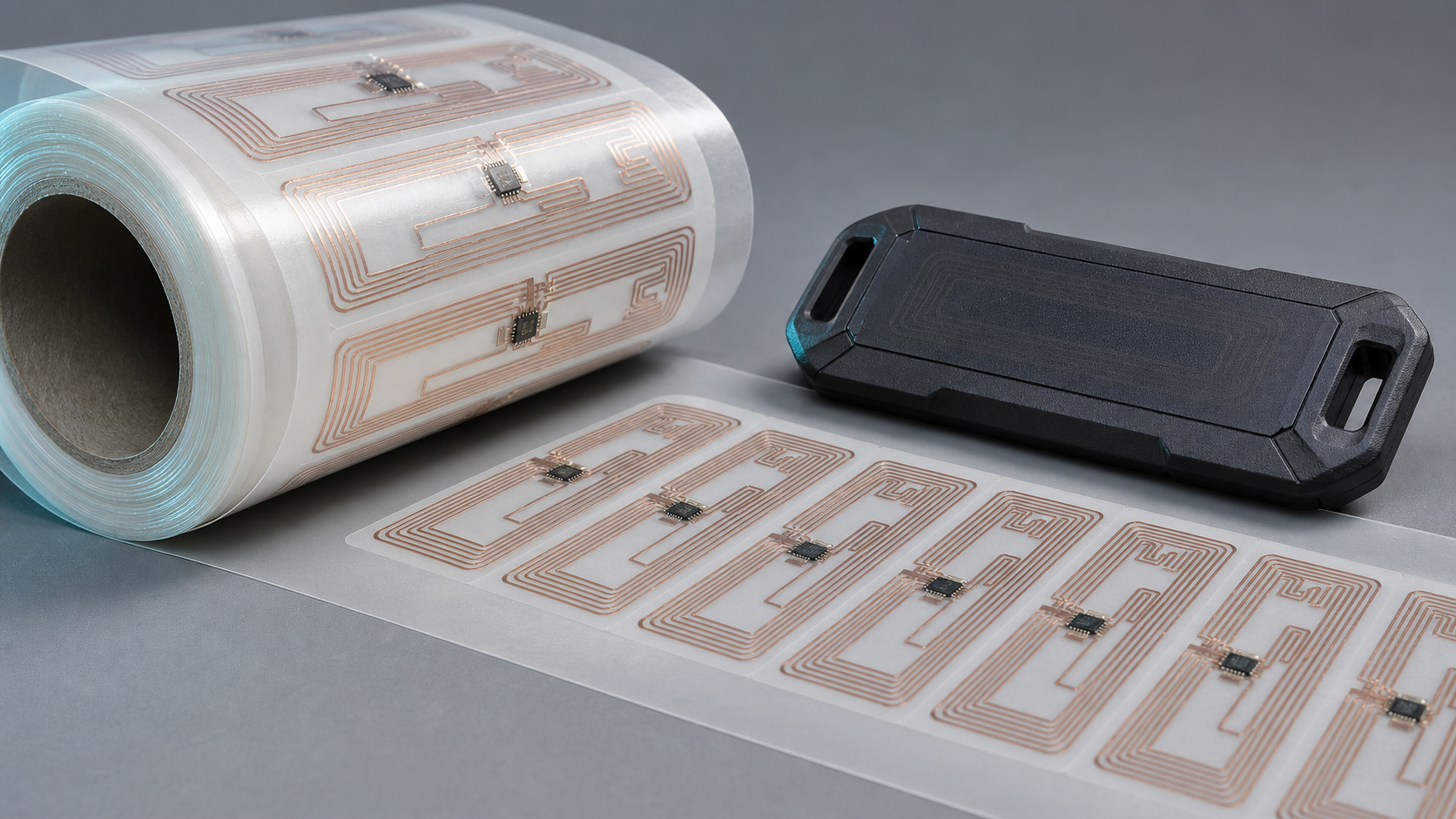
A magnetic-stripe keycard stores its data in a band of magnetic material on the back and is read by physically swiping it through a slot on the lock, following the same ISO/IEC 7811 encoding used by older bank cards. An RFID keycard has a tiny chip and antenna embedded in the plastic and is read wirelessly by holding or tapping it near the lock, typically using the 13.56 MHz ISO/IEC 14443 standard.
The visible difference — swipe versus tap — reflects a deeper one: the magstripe is a passive strip of data with no processing, while the RFID card is a small computer that can authenticate and, in secure families, protect its data cryptographically.
Which is more durable and reliable?
Magnetic stripes degrade with use. The read head physically contacts the stripe on every swipe, so cards wear over time, and the magnetic data can be corrupted by proximity to phones, magnetic bag clasps or other cards — a common cause of the 'my key stopped working' trip back to the front desk.
RFID cards have no exposed contact surface. Because reading is wireless, there is nothing to abrade, and the embedded chip is far less susceptible to everyday magnetic fields. That generally means fewer re-encodes, fewer failed entries and a longer usable life per card, which matters at hotel volumes.
Which gives a better guest experience?
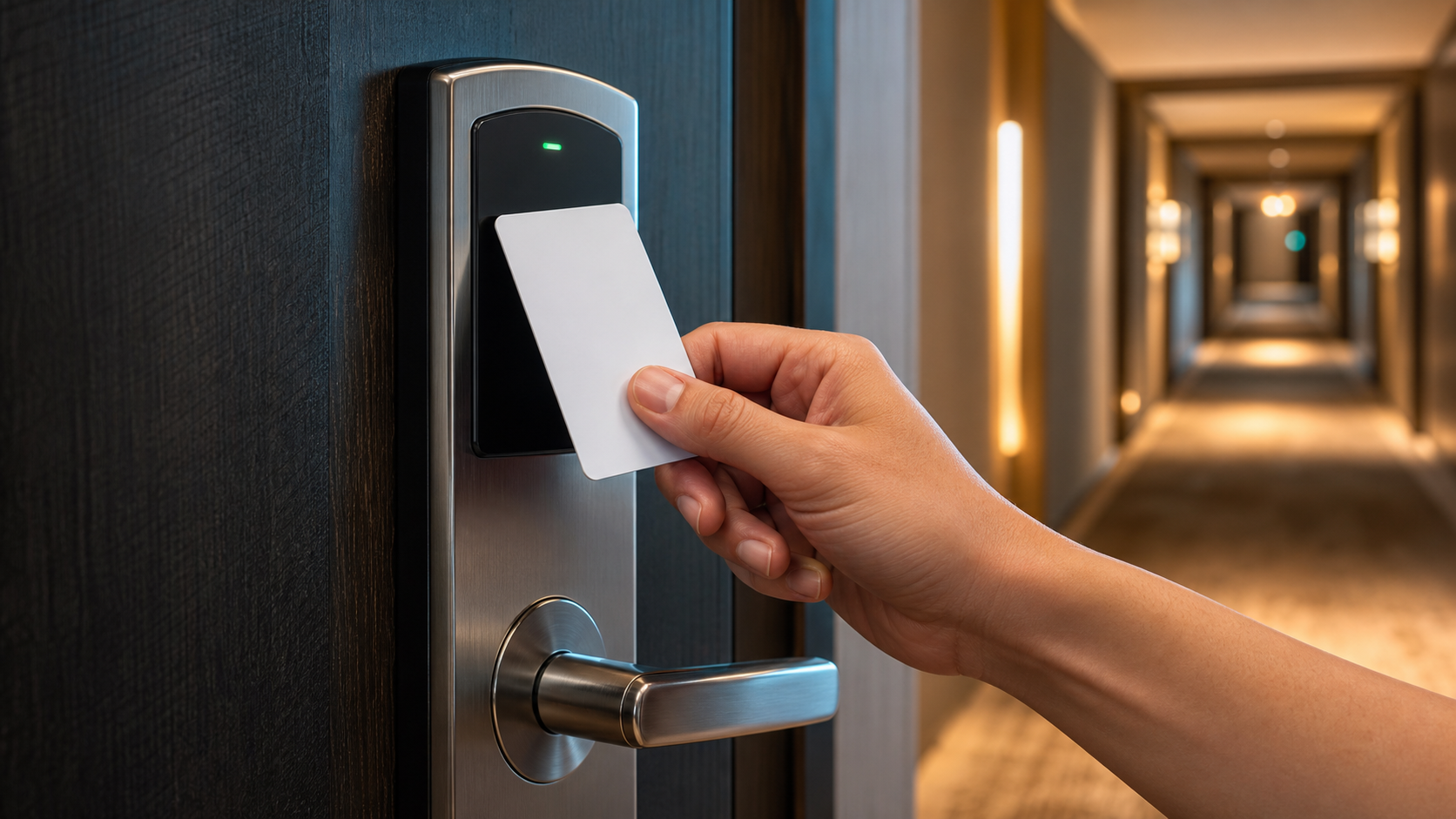
Tapping a card is faster and more forgiving than lining up a swipe in the right orientation at the right speed, which reduces fumbling at the door and pressure at check-in. Because RFID is contactless, the same lock platform can often also accept a phone-based mobile key, letting guests skip the desk entirely where the property supports it.
Magstripe still works and is instantly familiar to every guest, but the swipe motion, directional sensitivity and demagnetization failures are exactly the small frictions that generate front-desk complaints.
What about lock-system compatibility and cost?
The single most important constraint is that the card technology has to match the readers in your door locks. A magstripe lock cannot read an RFID card and vice versa, and even within RFID, a lock reads specific card families — so the practical first step is confirming what your installed locks support before ordering any stock. Retrofitting from magstripe to RFID usually means new or upgraded lock hardware, not just new cards.
On unit price, blank magstripe cards are typically cheaper than RFID cards, but that gap narrows once you weight in the longer service life, lower failure and re-issue rates, and the security exposure of magstripe. For most new builds and renovations, RFID's total cost of ownership and guest experience win out; for an existing all-magstripe property, the honest answer is to plan the switch around a lock refresh rather than card-by-card.
Are there eco-friendly keycard options?
Both card types are commonly manufactured from PVC, but more sustainable materials are now widely available. Recycled-PVC (rPVC) cards reuse existing plastic, and alternatives such as wood, paper-core and bamboo-based cards, or biodegradable bioplastics, reduce the amount of virgin plastic sent to landfill when cards are discarded or lost.
Both magstripe and RFID cards can be produced in these greener substrates, so sustainability is largely independent of the read technology — you can specify recycled or renewable material either way. Pairing durable RFID cards, which are replaced less often, with a recycled or renewable substrate is one of the simpler ways a property can cut the environmental footprint of its keycard program.